[
BLOG
]

When a new business is ready to launch or has just launched, branding is typically treated as one of the first items on a long checklist. Get a logo, choose some colours, build a website, start posting on social media. The branding is dealt with quickly so that the business can get on with the more important work of actually operating and finding customers. This approach is understandable given the pressures of early stage business, but it sets in motion a pattern that causes significant problems later.
The useful detail here is not only how the brand looks. It is whether the identity, wording and design system make the business easier to recognise and easier to choose. That is how we approach our branding service, and it is visible in our work with Atlas Surveying.
The issue is not that startups invest too little in branding aesthetically, though that is sometimes true. It is that they invest without first doing the thinking that makes branding useful. A logo designed before you know who your primary customer is, or before you understand the competitive landscape you are entering, or before you have worked out what makes your business meaningfully different from established alternatives, is a logo designed to fill a gap rather than to communicate something true and useful about the business. It may look fine. It will not do what good branding does.
The Positioning Question That Most Startups Skip
Positioning is the question of what space your business occupies in the minds of the people you want to serve. It is not a tagline or a mission statement. It is the answer to a specific question: given everything available to them, why should someone choose you? What do you do differently, or better, or for a more specific audience, than the alternatives? The answer to this question, honestly arrived at rather than aspirationally stated, is the foundation on which every branding decision should rest.
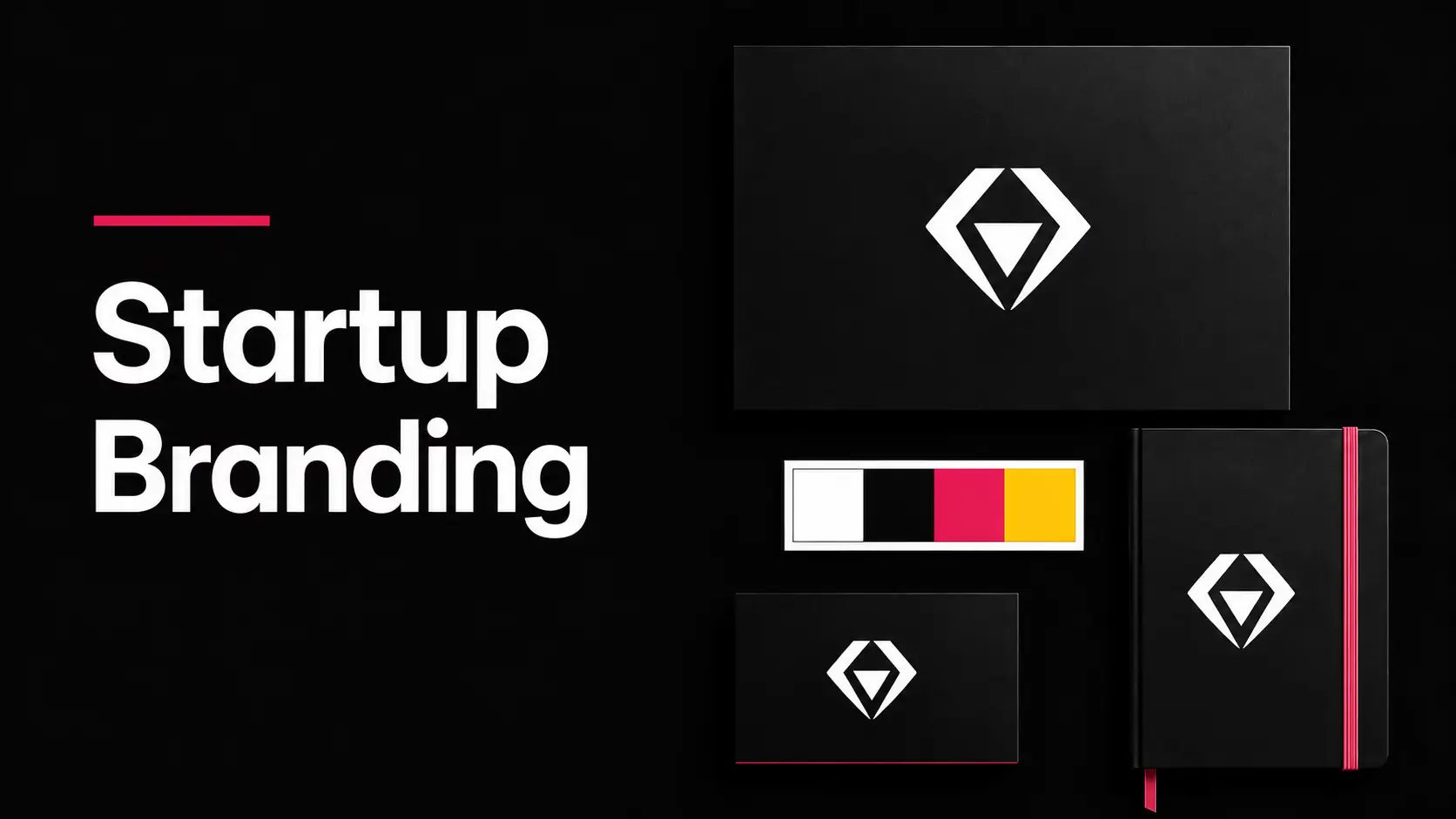
Atlas Surveying is a good example of branding as a complete system. We built the logo, the colour palette, the typefaces and the stationery, and delivered brand guidelines that meant the identity could be applied consistently, whether it appeared on a site board, a letter head or their new website.
Most startups skip this step or address it superficially because it requires uncomfortable clarity about what the business is not, as well as what it is. Saying your service is for everyone is not positioning. Saying it is for the premium end of the market when you have not yet established the credibility to command premium pricing is not positioning either. Genuine positioning often involves a degree of specialisation that feels risky when you are trying to attract as many customers as possible early on, but it is precisely this specificity that makes branding legible and memorable.
The businesses that emerge from their early stages with genuinely strong brands are almost always the ones that had the clearest answer to the positioning question before they began building brand assets. The logo, the name, the visual language, the tone of voice: all of these express something. If you do not know what you are trying to express because you have not done the positioning work, those assets end up expressing something vague and generic, which is the same as expressing nothing useful at all.
The Brand Assets That Actually Matter Early
Resource constraints are real in early stage businesses, and not every brand element needs to be perfect on day one. But some brand decisions are significantly more expensive to revisit later than others, and it is worth understanding which these are before deciding where to spend limited budget.
The name is the most consequential decision and the most difficult to change. A name that is too generic to trademark, too similar to existing businesses in your sector, too hard to spell or remember, or that does not travel well as the business grows, will cause compounding problems over time. Investing in proper research and legal checking before settling on a name is worth considerably more than it costs. Many startups learn this the hard way after building brand recognition around a name they subsequently have to abandon.
The core visual identity, specifically the logo and primary colour system, is worth doing properly rather than cheaply, because it will be applied to every customer touchpoint from day one and will accumulate associations over time that make changing it disruptive and costly. A logo that looks unprofessional relative to the competitors your prospective customers are also considering creates an immediate impression that your business may be less established or less capable than it actually is. The investment in getting this right at the start is recoverable through the increased conversion rate it supports. Doing it cheaply and revisiting it eighteen months later costs twice as much and loses the brand equity that has started to build in the interim.
Building Consistency From Day One
One thing startups can do better than established businesses, which have legacy assets and accumulated inconsistencies to manage, is build consistency into their brand from the very beginning. When every piece of communication a new business produces, from the first website to the first social media post to the first email to a prospective client, reflects the same visual identity and the same tone of voice, the brand builds coherence and recognition at a rate that would not be possible if inconsistency had been allowed to develop.
This requires documenting brand decisions as they are made, even if the documentation is simple. The colours with their exact specifications. The fonts and how they are used. The tone of voice with a few examples of what it looks like in practice. The logo files in the correct formats for different applications. These documents do not need to be elaborate to be useful. They just need to exist and be shared with everyone who produces any communications on behalf of the business.
Startups that build this consistency discipline early find that as they grow, adding team members or working with external agencies, the brand stays coherent without requiring constant correction. Those that do not build it find that every new person or supplier who touches the brand introduces new variations, and the cumulative result is a brand that looks fragmented and inconsistent precisely at the moment when the business is trying to project confidence and credibility to a wider audience.
If your brand needs to feel clearer and more consistent, start with our branding service and brand identity service. Relevant examples include our work with Atlas Surveying and Sophie Sugrue.
[
GET INFORMED
]
Our blog is a hub for insights, tips, and industry trends in digital marketing and social media.